Colorful, Nourishing, and Oh-So-Delicious
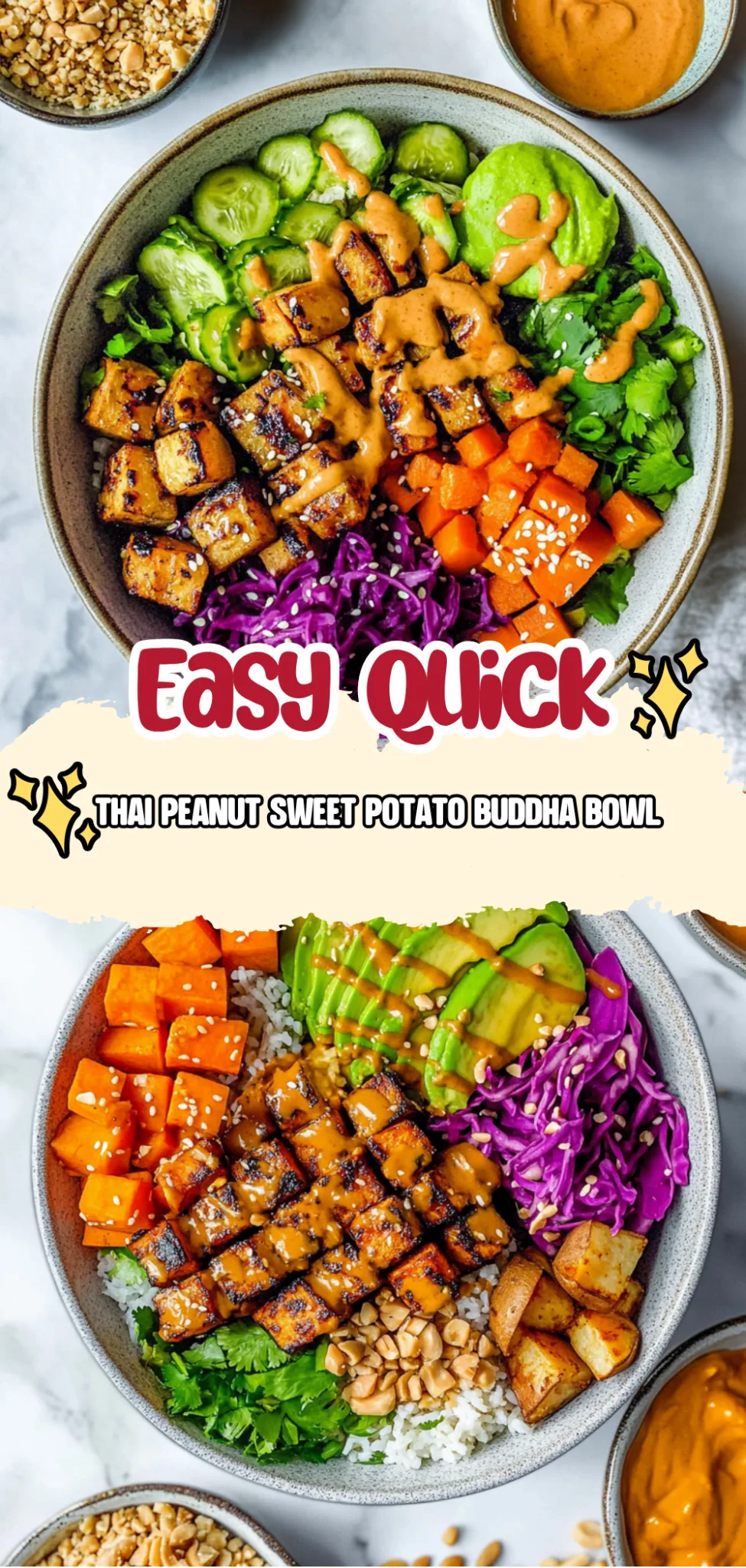
I first whipped up this Thai Peanut Sweet Potato Buddha Bowl on a chilly evening when I craved something warm and comforting yet vibrant. The sweet potatoes roasted to perfection create a delightful texture that pairs beautifully with the crunch of fresh veggies and the rich, creamy peanut sauce—easy to make and every bite is bursting with flavor!
What truly sets this dish apart is the intoxicating aroma that fills your kitchen as it bakes, enticing everyone nearby to gather around. Whether it’s a cozy dinner for yourself or a special date night treat, this bowl brings joy and satisfaction that’s hard to resist.
To make it even more delightful, consider topping your Buddha bowl with crunchy peanuts, fresh cilantro, or a squeeze of lime for an extra zing. Serve it alongside some fluffy jasmine rice or a light salad, and you’ll have a meal that not only nourishes but also warms the heart. Trust me, once you take that first bite, you’ll be hooked on the magic of this Thai Peanut Sweet Potato Buddha Bowl!
What are Thai Peanut Sweet Potato Buddha Bowl?
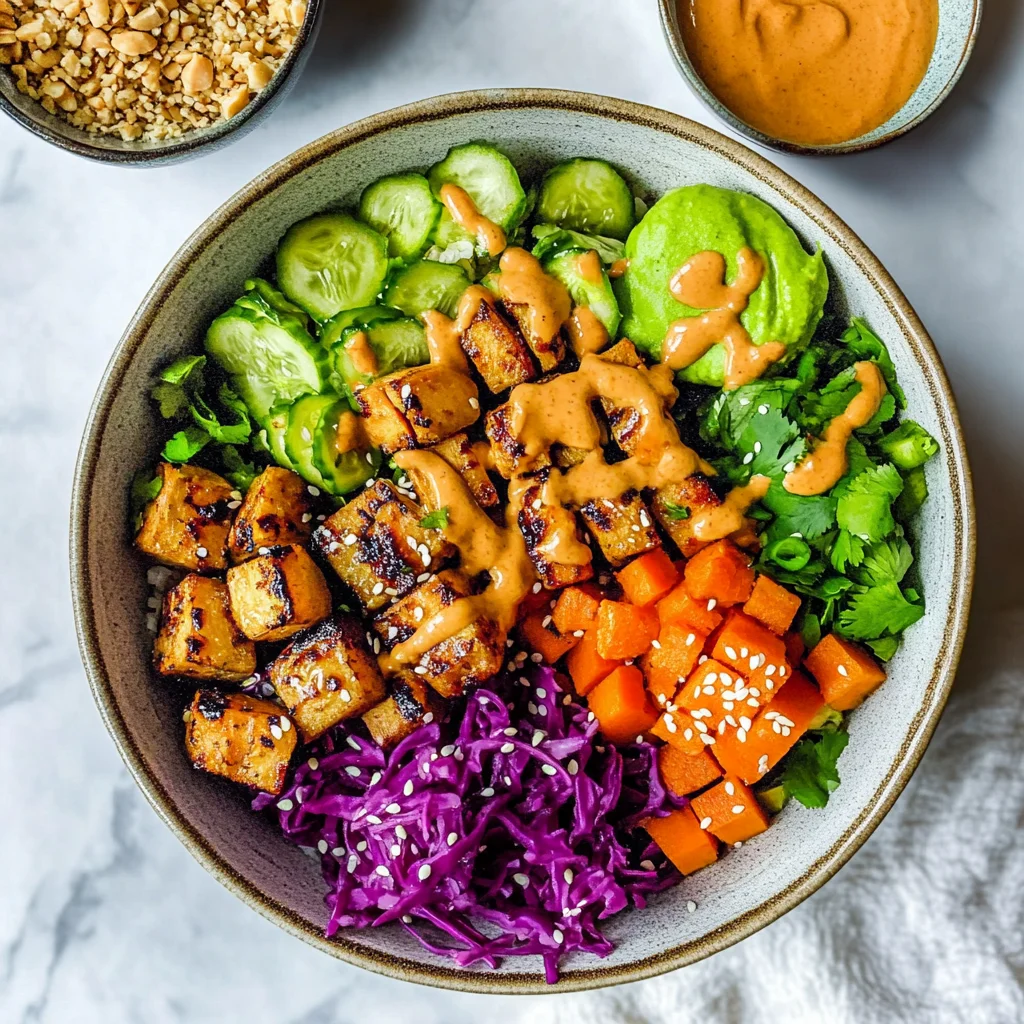
A Thai Peanut Sweet Potato Buddha Bowl is a colorful and nourishing dish that combines roasted sweet potatoes, fluffy quinoa, and fresh vegetables for a satisfying meal. This bowl features tender, caramelized sweet potatoes alongside vibrant red bell peppers, crisp cucumbers, and crunchy shredded carrots, all balanced by a creamy Thai peanut sauce that offers a delightful blend of savory, sweet, and nutty flavors. The dish is typically prepared by roasting the sweet potatoes in the oven until they are crispy on the outside and tender inside, making it an easy option with minimal cleanup. With its hearty ingredients and rich textures, this Buddha bowl is not only delicious but also a breeze to assemble for a healthy lunch or dinner.
Perfect For:
Busy Weeknights: This Thai Peanut Sweet Potato Buddha Bowl comes together in just about 30 minutes, making it the ideal choice for a nutritious meal after a long day.
Budget-Friendly Feasts: Packed with affordable ingredients like sweet potatoes and seasonal veggies, this bowl is a delicious way to enjoy gourmet flavors without breaking the bank.
Family Dinners: With its vibrant colors and delightful taste, this Buddha bowl is sure to please even the pickiest eaters in your family, and it’s easy to scale up for larger gatherings.
Healthy Indulgence: Treat yourself to a wholesome yet satisfying meal that feels indulgent. The creamy peanut sauce elevates this dish, making it perfect for a cozy night in or when you want to impress guests.
Ingredients for Thai Peanut Sweet Potato Buddha Bowl
For the Bowl Base
- 2 medium sweet potatoes (peeled and cubed) – Roasting these enhances their natural sweetness, making them a delicious base for your Buddha bowl.
- 1 cup quinoa (rinsed) – This protein-packed grain serves as a hearty foundation, adding a nutty flavor and lovely texture.
- 4 cups baby spinach (or mixed greens) – Fresh greens provide essential nutrients and a vibrant color contrast to the other ingredients.
- 1 cup chickpeas (canned or cooked) – Chickpeas add protein and fiber, making this bowl filling and nutritious.
For the Vegetables
- 1 cup red bell pepper (sliced) – Sweet and crunchy, red bell peppers bring a pop of color and vitamin C to your dish.
- 1 cup cucumber (sliced) – Fresh cucumbers offer a refreshing crunch that balances the warmth of the roasted sweet potatoes.
- 1 carrot (shredded) – Shredded carrots add a nice crunch while boosting the overall nutrient content of your Buddha bowl.
For the Thai Peanut Sauce
- 1/2 cup peanut butter (smooth) – The creamy base of your sauce adds richness and depth to the flavors in this Thai Peanut Sweet Potato Buddha Bowl.
- 1/4 cup soy sauce (or tamari for gluten-free) – This salty component enhances the savory notes of the sauce, ensuring every bite is packed with flavor.
- 2 tablespoons maple syrup (or honey) – A touch of sweetness balances out the saltiness and gives the sauce its irresistible allure.
- 1 tablespoon rice vinegar – This tangy ingredient brightens up the sauce, adding complexity to each mouthful.
- 1 teaspoon sesame oil – Just a hint of sesame oil contributes an aromatic nuttiness that complements the peanut flavor beautifully.
- 1 clove garlic (minced) – Fresh garlic introduces a robust zing that elevates the overall taste profile of your sauce.
- 1 teaspoon ginger (grated) – Grated ginger adds warmth and spice, enhancing both flavor and health benefits.
- 2 tablespoons water (to thin sauce if needed) – Adjusting consistency with water ensures your sauce drizzles perfectly over your Buddha bowl.
For the Toppings
- 1/4 cup cilantro (chopped) – Fresh cilantro adds brightness and a burst of herbaceous flavor that ties everything together beautifully.
- 1/4 cup peanuts (chopped or crushed) – Crunchy peanuts provide an additional layer of texture while enhancing that delightful peanut taste.
- 1 lime (cut into wedges) – A squeeze of lime juice right before serving brightens up all flavors in this vibrant dish!
Kitchen Equipment You’ll Need
- Baking sheet
- Medium saucepan
- Whisk
- Mixing bowl
- Fork
- Knife and cutting board
How to Make Thai Peanut Sweet Potato Buddha Bowl
Step 1:
Preheat your oven to 425°F (220°C). This temperature is perfect for roasting the sweet potatoes to get them nicely caramelized and tender.
Step 2:
Toss the cubed sweet potatoes with olive oil, salt, and pepper in a bowl until they are well-coated. Spread them out evenly on a baking sheet, making sure they have space to roast properly.
Step 3:
Roast the sweet potatoes in the oven for about 25-30 minutes. Keep an eye on them; they should be fork-tender and slightly caramelized when done, bringing out their natural sweetness.
Step 4:
While the sweet potatoes are roasting, combine the rinsed quinoa and 2 cups of water in a medium saucepan. Bring it to a boil over medium-high heat, then reduce the heat to low.
Step 5:
Cover the saucepan and let it simmer for about 15 minutes or until all the water is absorbed. Once it’s done, fluff the quinoa with a fork to keep it light and airy.
Step 6:
In a mixing bowl, whisk together the peanut butter, soy sauce, maple syrup, rice vinegar, sesame oil, minced garlic, and grated ginger until smooth. This creamy sauce will add a delicious flavor to your Buddha bowl.
Step 7:
If your sauce is too thick for your liking, add water one tablespoon at a time until you reach your desired consistency. It should be pourable but still thick enough to cling to your veggies.
Step 8:
Now it’s time to assemble! In each bowl, start by layering the cooked quinoa as your base. Next, add generous portions of roasted sweet potatoes, chickpeas, baby spinach, and sliced vegetables like red bell pepper and cucumber.
Step 9:
Drizzle your homemade Thai peanut sauce generously over the assembled ingredients and sprinkle chopped cilantro and crushed peanuts on top for added flavor and crunch.
Step 10:
Serve with lime wedges on the side for an extra zesty kick! Squeeze fresh lime juice over your Buddha bowl just before enjoying for a burst of brightness.
Tips
- Rinse the quinoa: Rinsing quinoa before cooking removes its natural coating, called saponin, which can create a bitter taste. This ensures a nuttier and cleaner flavor in your Buddha bowl.
- Cut sweet potatoes evenly: Aim for uniform cubes when cutting sweet potatoes to ensure even roasting. Consistent size promotes even cooking, resulting in perfectly tender bites without any mushy pieces.
- Don’t skip the lime wedges: Serving lime wedges on the side adds a fresh burst of acidity that enhances the flavors of the peanut sauce and balances the sweetness of the roasted sweet potatoes. A little squeeze can elevate your dish!
- Use tamari for gluten-free: If you need a gluten-free option, substitute soy sauce with tamari in your Thai peanut sauce. This way, you still enjoy all the umami flavor without compromising dietary needs.
- Add chickpeas at the end: If using canned chickpeas, rinse and drain them well before adding to your bowl. This helps remove excess sodium and improves their flavor, making them a great protein addition to your meal.
- Adjust peanut sauce consistency: Start with less water when making your Thai peanut sauce and add more gradually until you reach your desired thickness. A thicker sauce clings beautifully to all ingredients, ensuring every bite is packed with flavor.
- Layer strategically: When assembling your Buddha bowl, layer heavier ingredients like sweet potatoes and chickpeas first, followed by lighter greens. This prevents sogginess and provides a more visually appealing presentation.
Optional Ingredients
- Feta cheese: Crumble over the bowl for a creamy, tangy contrast that beautifully complements the sweet potatoes and enhances the overall flavor profile.
- Sriracha sauce: Drizzle this spicy sauce on top to add a fiery kick that balances the sweetness of the peanut sauce and adds an exciting depth of flavor.
- Avocado: Slice or cube ripe avocado for a rich, buttery texture that brings creaminess to your Buddha bowl, making each bite more indulgent.
- Pineapple chunks: Add fresh or grilled pineapple pieces for a burst of tropical sweetness that brightens the dish and complements the nutty flavors of the peanut sauce.
- Sesame seeds: Sprinkle toasted sesame seeds over the top for a delightful crunch and nutty aroma that elevates both the appearance and taste of your bowl.
What to Pair with Thai Peanut Sweet Potato Buddha Bowl?
To complement the rich and creamy flavors of the Thai peanut sauce, consider serving a fresh cucumber and avocado salad. The cool crunch of cucumbers alongside the creamy texture of avocados adds a refreshing contrast that lightens the meal. Toss in some sesame seeds and a splash of rice vinegar for an extra zing that will enhance the vibrant notes already present in your Buddha bowl.
For a heartier addition, roasted broccoli or Brussels sprouts can be a fantastic side. The caramelization from roasting brings out their natural sweetness, which pairs beautifully with the savory elements of the peanut sauce. The crunchy exterior and tender interior provide a satisfying textural balance that rounds out your meal nicely while introducing earthy flavors that harmonize with the sweet potatoes.
If you’re in the mood for comfort, fluffy jasmine rice or coconut rice can serve as a delightful base to soak up any leftover sauce. The subtle fragrance and slightly sticky texture will enhance every bite, allowing you to savor the delicious interplay between sweetness and saltiness found in both the bowl and sauce. This pairing not only makes for a complete dish but also invites you to indulge fully in all its flavors.
To finish off this meal on a sweet note, consider pairing it with a light coconut sorbet or mango sticky rice for dessert. Both options offer tropical sweetness that echoes the essence of your Buddha bowl while providing a cooling contrast after a savory main course. Their creamy textures and fruity flavors will leave your palate satisfied without overpowering the delightful harmony you’ve created in your meal.
Variations and Substitutions
Butternut Squash Instead: Swap out sweet potatoes for roasted butternut squash to introduce a slightly nuttier flavor and a creamy texture. This variation offers beautiful color and pairs wonderfully with the Thai peanut sauce.
Brown Rice for Quinoa: Use brown rice in place of quinoa for a heartier base that adds a chewy texture and earthy flavor. This swap is perfect if you’re looking for a gluten-free option while increasing fiber content.
Spinach to Kale: Replace baby spinach with kale for a more robust, nutrient-dense option. The kale will add a satisfying crunch and a slight bitterness that contrasts beautifully with the sweetness of the peanut sauce.
Tofu in Place of Chickpeas: Substitute chickpeas with cubed, pan-fried tofu for a protein-packed twist. The tofu absorbs the flavors of the peanut sauce well, creating a rich, satisfying dish that caters perfectly to vegetarians.
Sriracha in the Peanut Sauce: For those who enjoy heat, incorporate sriracha into the Thai peanut sauce to give it an extra kick. Just a tablespoon or two can transform your Buddha bowl into a spicy delight that ignites the taste buds.
Zucchini Noodles instead of Quinoa: For a low-carb option, try using spiralized zucchini noodles instead of quinoa as your base. This lightens the dish and provides fresh, crisp bites that complement the roasted vegetables beautifully.
Cabbage Slaw Instead of Mixed Greens: Swap out baby spinach or mixed greens for crunchy cabbage slaw to add texture and tanginess. This variation not only enhances the crunch factor but also introduces an irresistible crunch with every bite.
To store your Thai Peanut Sweet Potato Buddha Bowl in the refrigerator, allow it to cool completely before transferring it to an airtight container. This dish will keep well for up to 4 days. When reheating, microwave in short intervals or warm on the stovetop, adding a splash of water to help restore the texture of the quinoa and chickpeas while gently reheating.
This Buddha bowl can be frozen, although the sweet potatoes and fresh vegetables may become softer upon thawing. To freeze, portion the bowl into individual servings using freezer-safe containers or bags, making sure to store the peanut sauce separately if possible. It will maintain its quality for up to 3 months; simply thaw in the refrigerator overnight and reheat as desired, adding a bit of water to help regain moisture.
Frequently Asked Questions
Can I use a different grain instead of quinoa for this Buddha bowl?
Yes, you can substitute quinoa with other grains such as brown rice, farro, or even couscous. Just be sure to adjust the cooking time according to the grain you choose, as each has a different absorption rate and texture.
How do I make this recipe vegan-friendly?
This recipe is already largely vegan! Just ensure that you’re using maple syrup instead of honey in the Thai peanut sauce. Additionally, double-check that your soy sauce is labeled gluten-free if you need to avoid gluten.
Can I prepare the sweet potatoes in advance?
Absolutely! You can roast the sweet potatoes ahead of time and store them in an airtight container in the fridge for up to 3 days. When you’re ready to serve, simply reheat them in the oven or microwave before assembling your bowl.
What can I use instead of chickpeas?
If you don’t have chickpeas on hand, you can easily substitute them with black beans, lentils, or edamame for a protein boost. Each option will provide a slightly different flavor profile but will still work well in the Buddha bowl.
How can I adjust the spiciness of the Thai peanut sauce?
To control the spice level, you can leave out any additional chili flakes or hot sauce while preparing the Thai peanut sauce. If you’d like more heat, consider adding a dash of sriracha or crushed red pepper flakes to taste.
Is it okay to use frozen vegetables for this recipe?
Yes, frozen vegetables can be a convenient alternative to fresh ones. Just make sure to thaw and drain them before adding them to your Buddha bowl so they don’t release excess moisture.
Can I skip the lime wedges when serving?
While lime wedges enhance the flavor with a zesty kick, you can certainly skip them if you prefer. However, squeezing fresh lime over your bowl brings brightness that complements the richness of the Thai peanut sauce beautifully.
Thai Peanut Sweet Potato Buddha Bowl
Ingredients
Method
- Preheat the oven to 425°F (220°C).
- Toss the cubed sweet potatoes with olive oil, salt, and pepper. Spread them out on a baking sheet.
- Roast in the oven for 25-30 minutes, or until tender and slightly caramelized.
- In a medium saucepan, combine quinoa and 2 cups of water. Bring to a boil.
- Reduce heat to low, cover, and simmer for 15 minutes or until water is absorbed. Fluff with a fork.
- In a mixing bowl, whisk together peanut butter, soy sauce, maple syrup, rice vinegar, sesame oil, garlic, and ginger.
- Add water as needed to reach desired consistency.
- In each bowl, layer the cooked quinoa, roasted sweet potatoes, chickpeas, spinach, and sliced vegetables.
- Drizzle with Thai peanut sauce and top with cilantro and peanuts.
- Serve with lime wedges on the side.



Leave a Comment